


Who we are
Our traditional territory
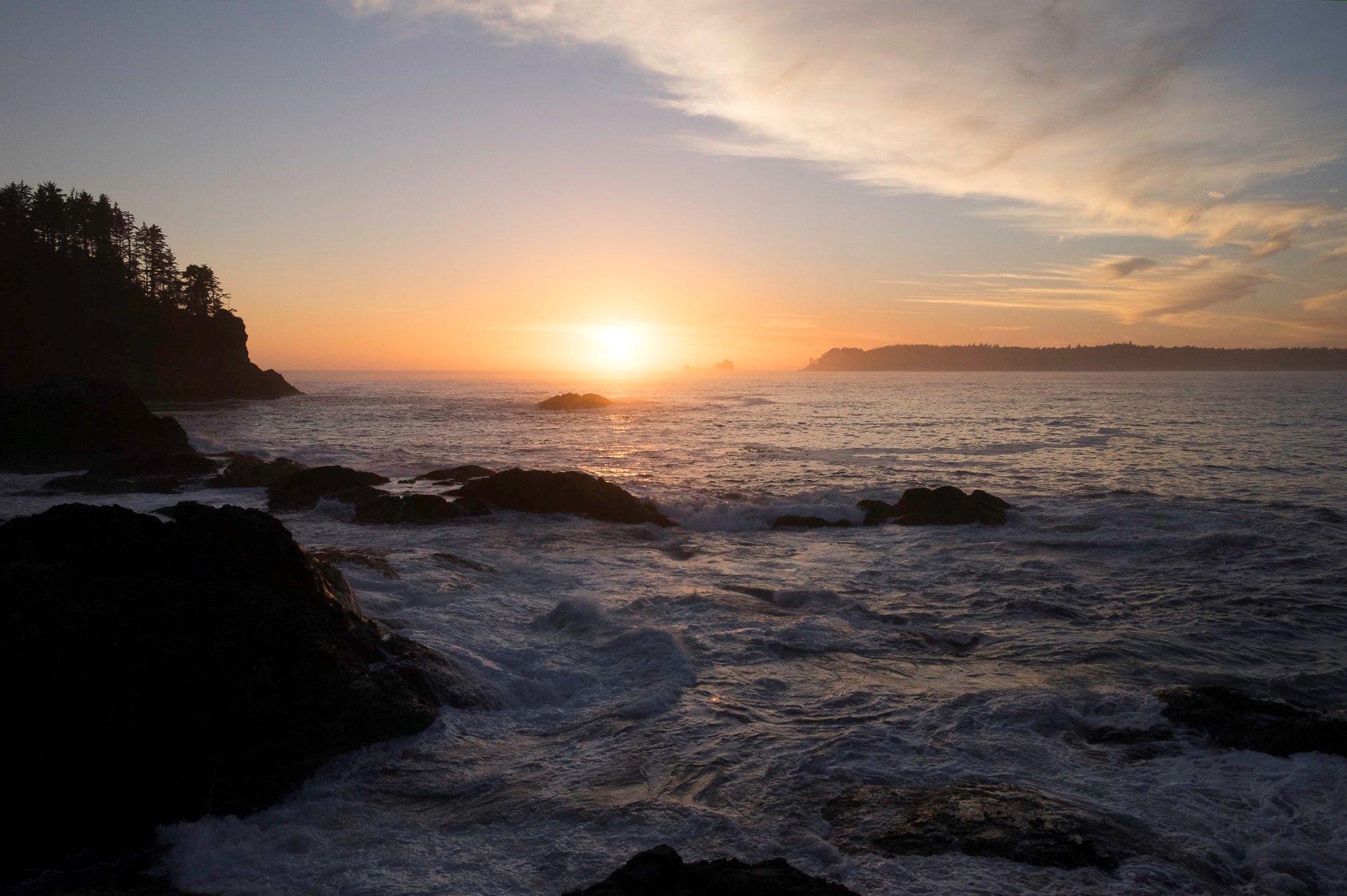
The ḥaḥuułi (traditional Territory) of the Huu-ay-aht people extends from cusayiʔat (Tsusiat Falls) along the west coast of Vancouver Island to č̓imataqsuʔa (Cape Beale), then inward to Barkley Sound and čačaaḥciiʕas (Coleman Creek), and outward as far as the eye can see toward the horizon of the Pacific Ocean.
Today, Huu-ay-aht citizens live across Vancouver Island and around the world, but our home and heart remain firmly in our ḥaḥuułi. At the core of our Nation is the village of Anacla, where our people live, work, and stay deeply connected to our ancestral lands and waters. Having endured natural disasters, famine, warfare, and the impacts of colonization, our modern story is one of resilience, resurgence, and welcoming our people back home.
Vancouver Island
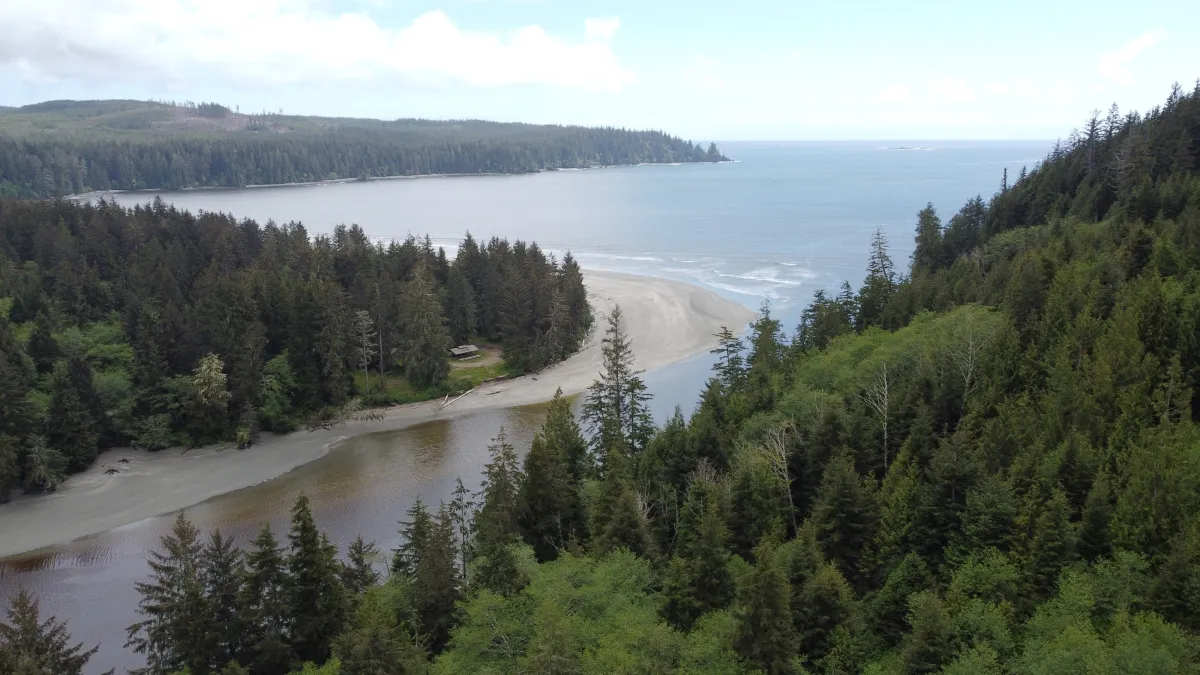
Vancouver Island lies along Canada’s West Coast, and is famous for its lush and abundant rainforest. The Pacific coastline of Vancouver Island is also renowned for the unique culture and traditions of the Nuu-chah-nulth speaking First Nations (formerly known as “Nootka”) who have flourished here for thousands of years. It is one of the world’s richest coastal temperate forests, featuring towering hemlock, balsam, spruce, cedar and fir trees nurtured by the warmth, fog and rain of Pacific Ocean currents, and fed by countless rivers and streams flowing from majestic snow-capped mountains. The traditional territories, located between Bamfield and Port Alberni, of the Huu-ay-aht First Nations, encompass some of the richest portions of this remarkable environment. Islands, bays, beaches, streams, rivers, and vast forests, hills and mountains, all form part of this remarkable landscape.
Ḥaw̓iiḥ and the Ḥaḥuułi
Fundamental to understanding our culture is the concept of the Ḥaw̓iiḥ and the Ḥaḥuułi. The Ḥaw̓iiḥ (hereditary chiefs) are responsible for the welfare and well being of their hereditary lands, the Ḥahuuḥi (traditional territories), and for the extended families of which they are leaders
Kiix̣in
Kiix̣in (pronounced “kee-hin”) is the site of the ancient capital of the Huu-ay-aht First Nations. It is the only known site on the southern coast of British Columbia that contains the undisturbed, standing remains of traditional longhouses of a First Nations’ village. Located on the coast on the southeast shore of Barkley Sound between Bamfield and Cape Beale, the site has four distinct archaeological sites: the main village of Kiix̣in, including the standing remains of eight house; the fortress site; a small midden; and a midden with remains of three houses. The Huu-ay-aht moved from Kiix̣in in the 1880s, and the village has been untouched ever since.
Kiix̣in was officially designated as a National Historic Site by the Historic Sites and Monuments Board of Canada in 1999.We are in the process of developing plans to allow tourism to Kiix̣in and it is under consideration for commemoration as a heritage site by the Historic Sites and Monuments Board of Canada. Visitors to Kiix̣in will enjoy a unique experience.
Please see the Huu-ay-aht Development Corporation’s website for updates concerning cultural tourism programs at Kiix̣in.News and updates