

Ancient Spirit
huuʕii
The place name huuʕii is the root of our nation's name, huuʕiiʔatḥ. The name has been carried for centuries, even though its literal meaning remains a mystery. With no definitive translation, the name itself has become a pillar of the nation's history, prompting reflection and the sharing of stories of war and resilience.
Origins
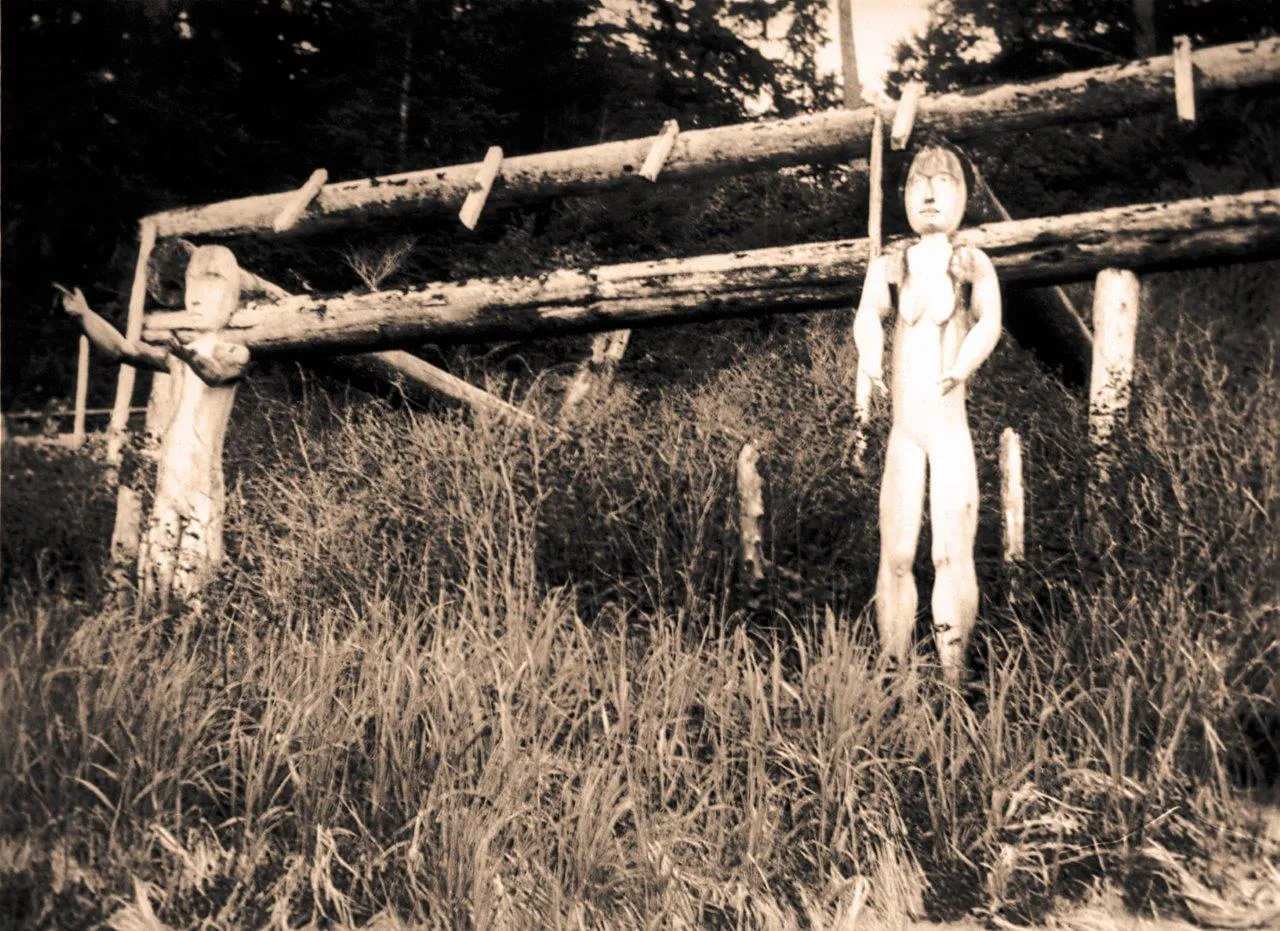
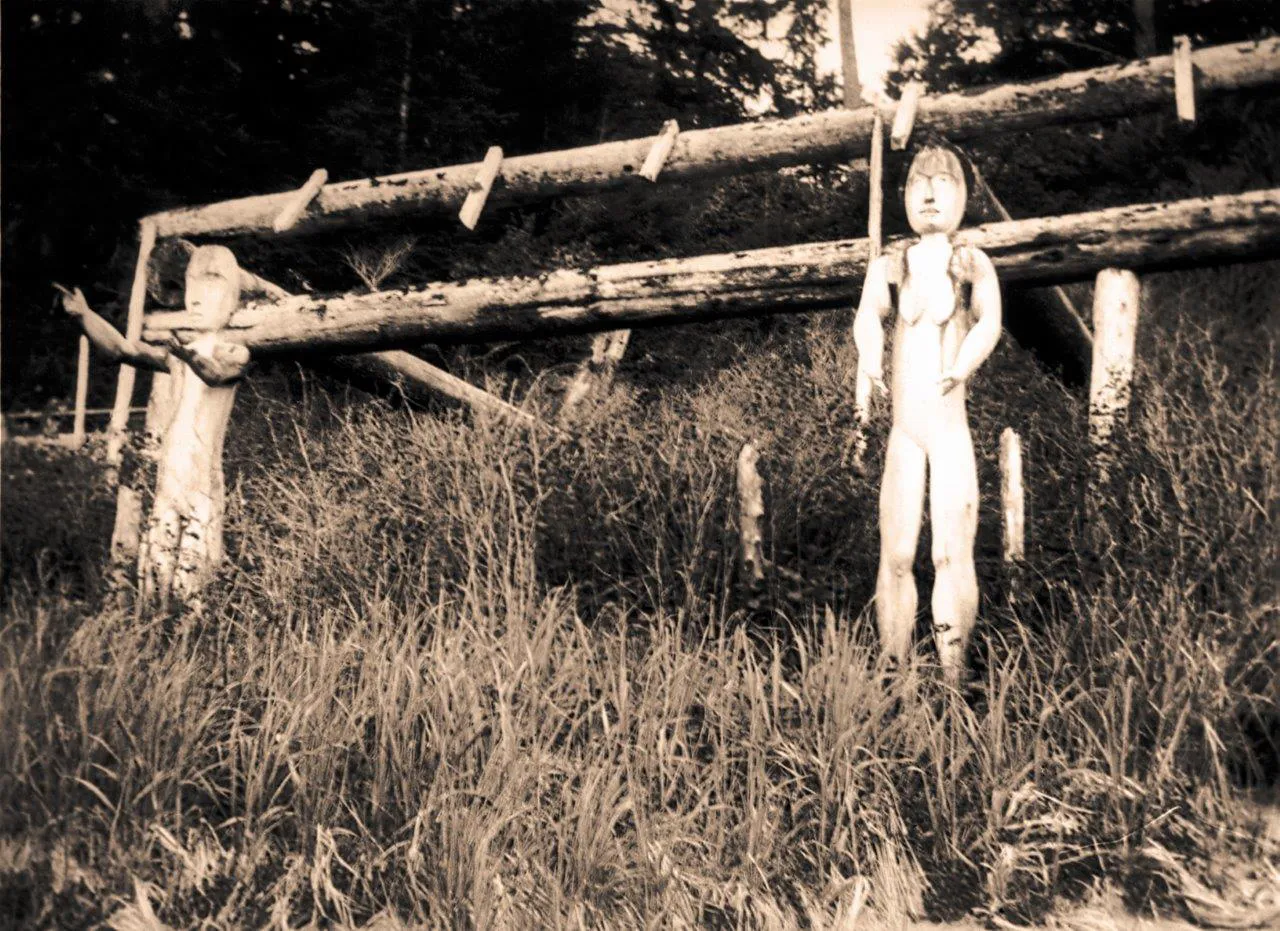
Our histories relate that we have occupied our territory since time began. According to one Huu-ay-aht account, the first man and the first woman appeared in the Huu-ay-aht domain where they “came down” from the sky. The first man to appear was a deity, and his name is Nutchkoa. Carvings of the first ancestors were placed in front of a ḥaw̓ił’s house in the Huu-ay-aht capital at Kiix̣in (see picture). The first man, Nutchkoa, is carved with his arms outstretched, watching for the Huu-ay-aht at the beginning of time and beckoning them home. He is ready to haul up their canoes and invite them inside for a great feast and potlatch. At that time, the Huu-ay-aht were part human and part bird. The woman’s name is Hominiki and she originated from the moon. She married one of the great Huu-ay-aht ancestors named Shewish, long ago.
Welcome Figure Carvings
In the Huu-ay-aht way, these carvings represent all our Ḥaw̓iiḥ and ancestors, and portray many things. These first ancestors reflect our history, and embody the ancient and strong connections that exist between the Huu-ay-aht and all of nature. Huu-ay-aht stories tell of how the spirits of humans are still closely related to the spirits of many other creatures.
The ancestors’ carvings personify the Huu-ay-aht Ḥaw̓iiḥ, people, and their traditions, as they extend a welcome to honoured guests to their territory. These carvings were erected at Kiix̣in, around 1860, to welcome visitors from the Makah Nation to Huu-ay-aht territory. These massive carved figures now grace the main entrance to the Royal British Columbia Museum in Victoria, where they still serve their traditional purpose of welcoming guests.
Modern Mind
On April 1, 2011, the Maa-nulth Final Agreement came into effect, marking the first modern treaty on Vancouver Island. It was a historic turning point, stepping out from under the Indian Act and into the dawn of self-government. What Huu-ay-aht First Nations achieved was what our ancestors fought generations to protect: we brought the decision-making home.
Guided by our own "Made-in-Huu-ay-aht" Constitution, we reclaimed jurisdiction over more than 8,200 hectares of our ancestral lands and waters. Today, governing under our own laws is the living proof that our spirit could never be broken, honouring the Elders who held the line and laying a permanent foundation where future generations can thrive on their own terms.
History of our Traditional Territory
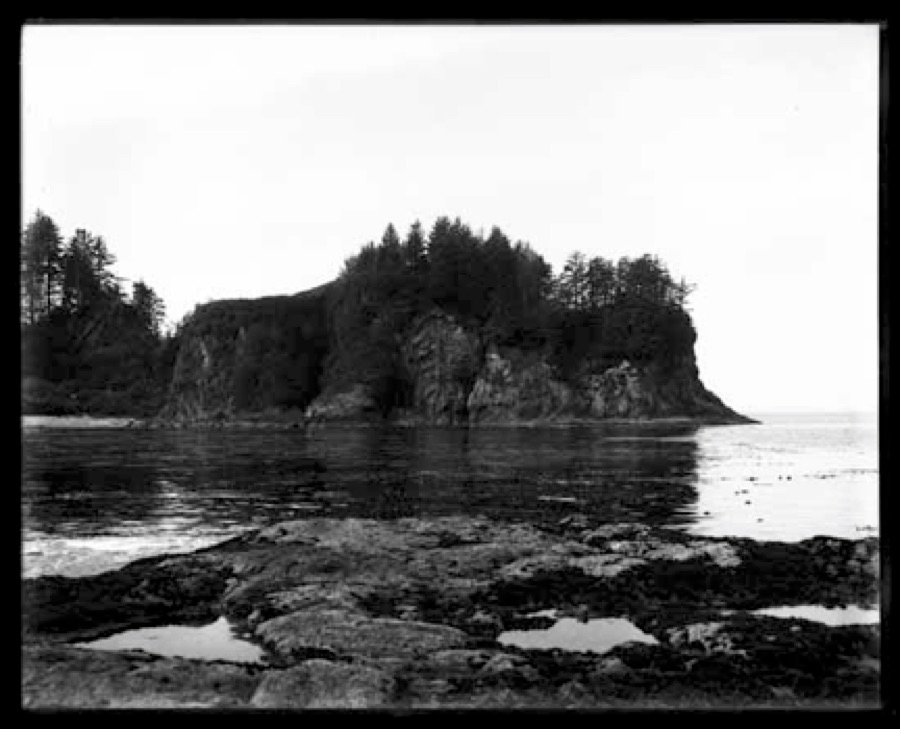
From the shores of Barkley Sound to our ancient village of Kiix̣in, the Huu-ay-aht ḥaḥuułi (traditional territory) carries centuries of living history, resilience, and ancestral connection. Explore our traditional lands and the National Historic Site that stands at the core of our story.
Explore Who We Are
News and updates